
WELCOME to the Children's Gnangara Groundwater Festival.
Each year, the Festival program is selected from a range of engaging workshops that cover three core topics: groundwater geology, water quality and water conservation.
Classes are timetabled into one workshop from each of the core topic streams, as well as the introductory Mega Water Session.
Explore the workshops offered across the full program at this year's Groundwater Festival below.
An exciting addition for the 2025 program is a fourth core stream that dives into our wildlife's need for water!
FESTIVAL PROGRAMS
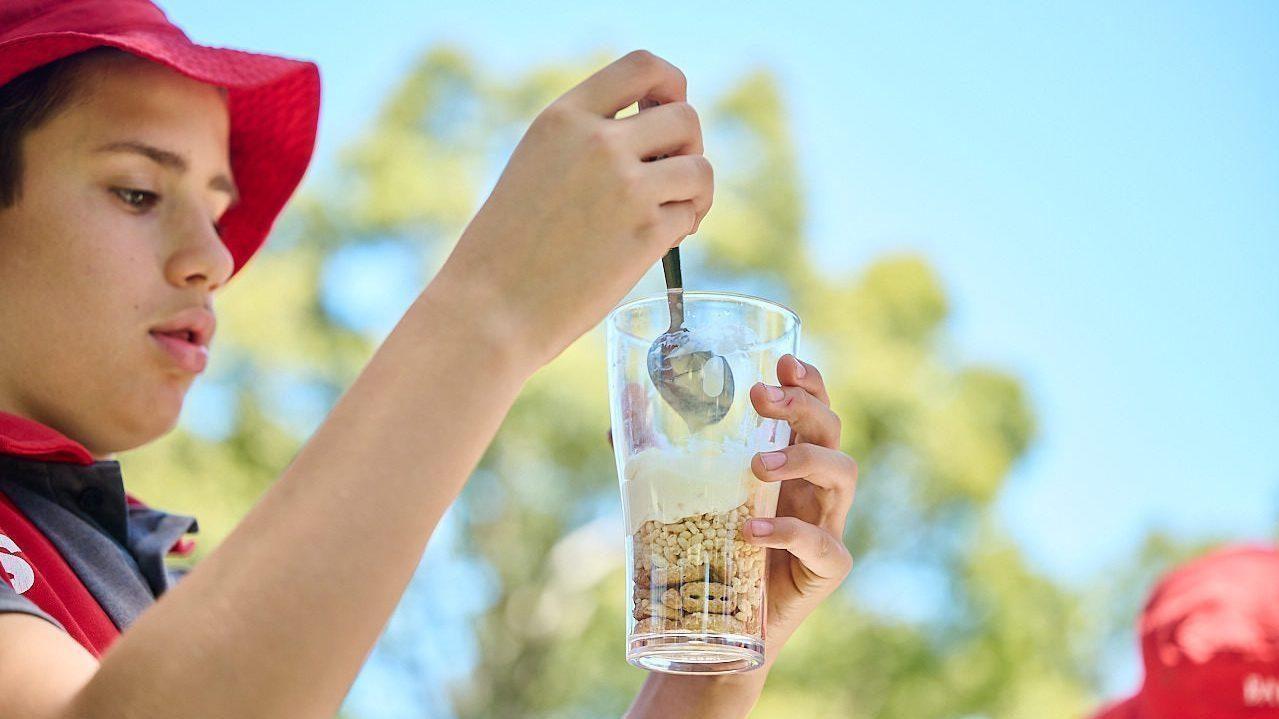
Edible Aquifer
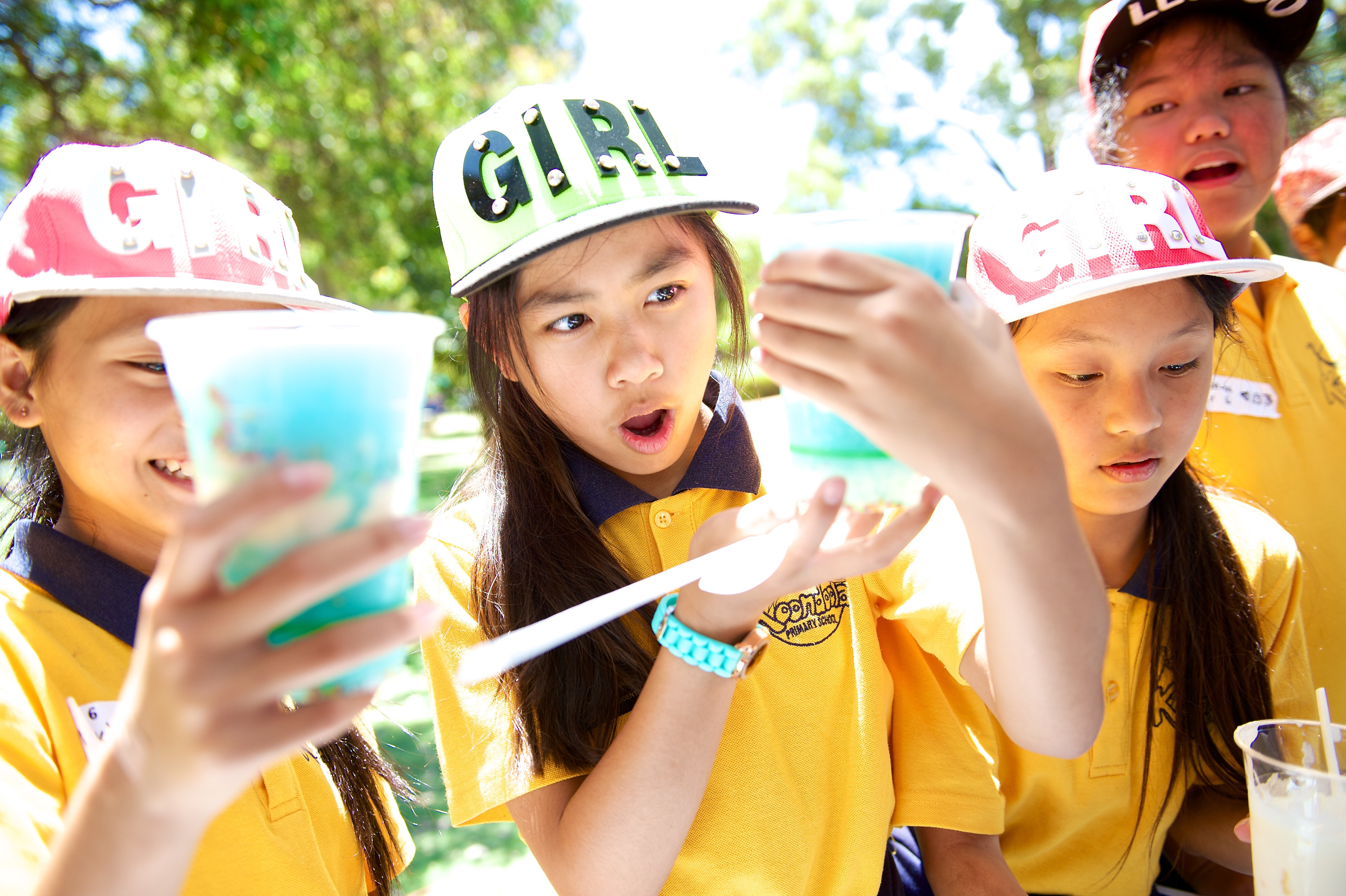
Students will explore the concept of water movement through different types of substrates such as sand, clay, rocks and gravel in this tongues-on activity! As they build (and eat!) their very own edible aquifers, students will gain an understanding of confining layers, water tables and aquifer geology.
| Curriculum | Y4: Geography ACHASSK090 |
| Stream | Groundwater Geology |
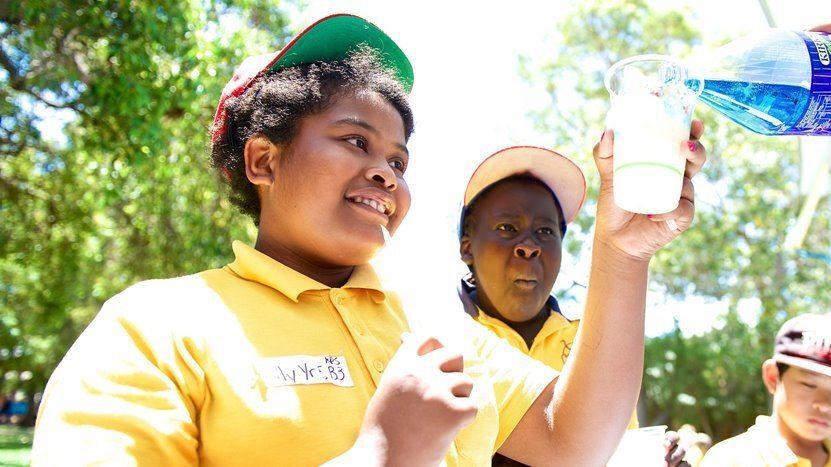
Groundwater Spider
This activity provides students with a fun and easy way to understand the geology of an aquifer. As students build their own edible aquifers out of ice cream, ice and lemonade, they learn about confining layers, contamination, recharge and water tables.
| Curriculum | Y4: Geography ACHASSK090 |
| Stream | Groundwater Geology |
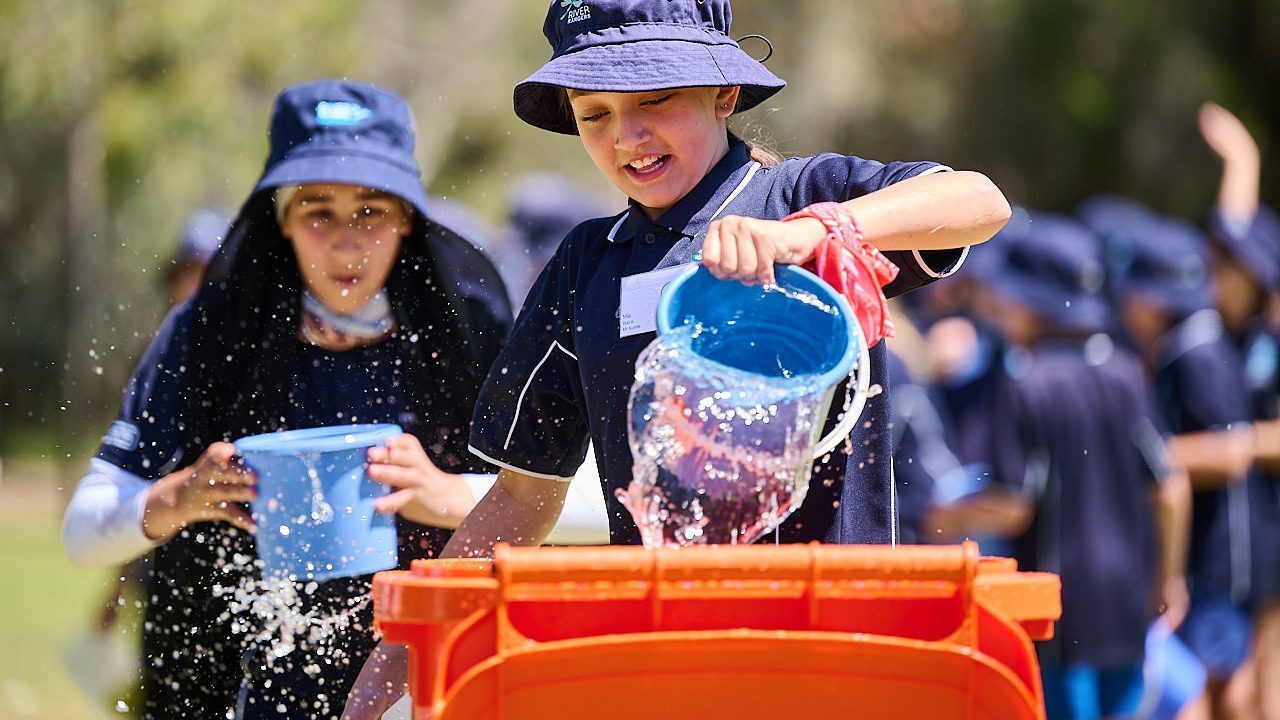
Bucket Brigade
This popular activity encourages students to think about their water usage as they move the amount of water a person uses in a day from one point to another as a team. The competition is great fun and the pre-and post-discussions help the students understand more about their water use choices.
| Curriculum | Y4: Geography ACHASSK090 |
| Stream | Water Conservation |
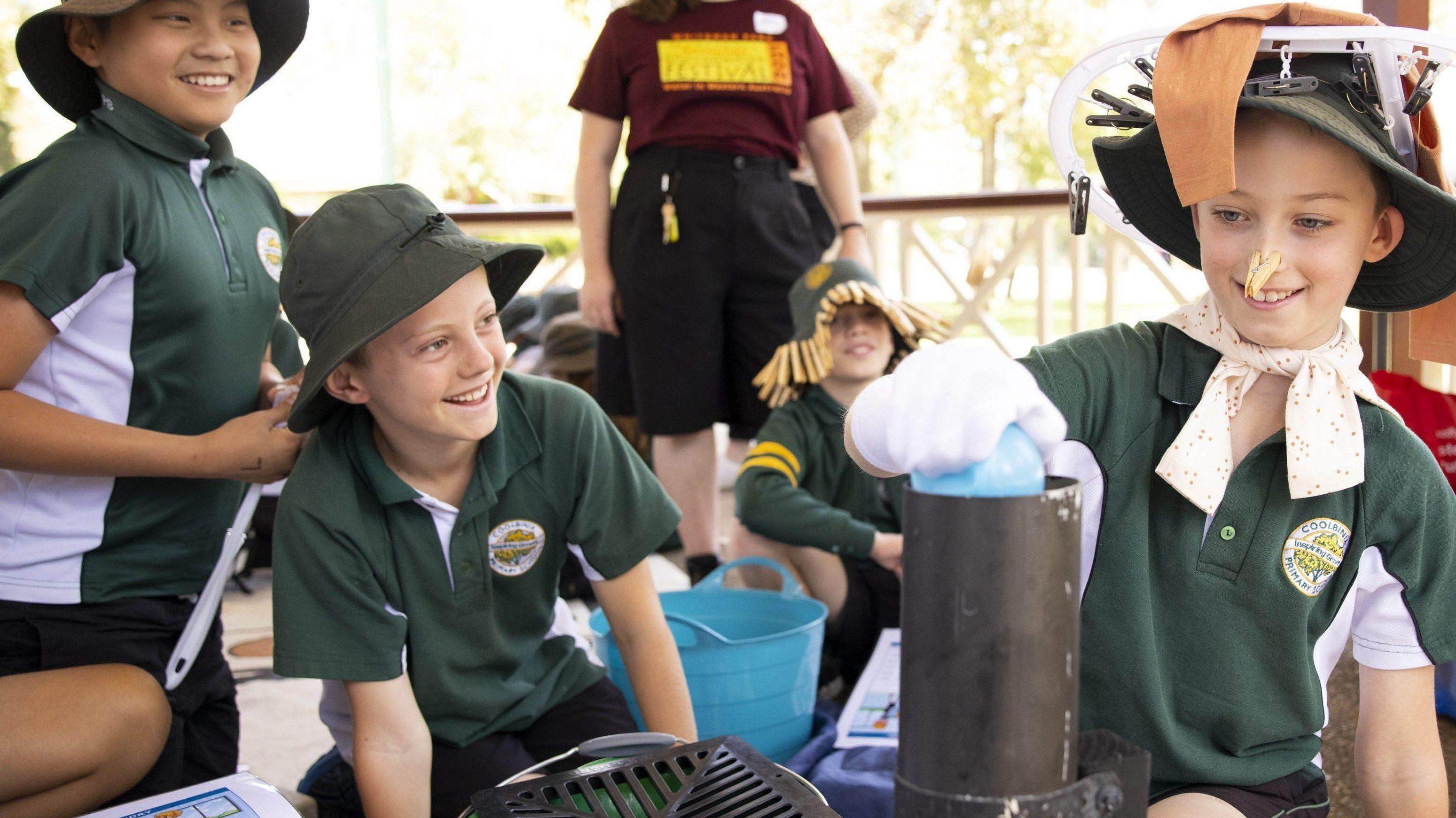
Every Drop Counts
In this prop-filled activity, students will take part in a game of chance to see how much water they can save or waste in different areas of the house before coming up with their own solutions to saving water at home.
| Curriculum | Y4: Geography ACHASSK090 Y6: Science ACSHE098 |
| Stream | Water Conservation |
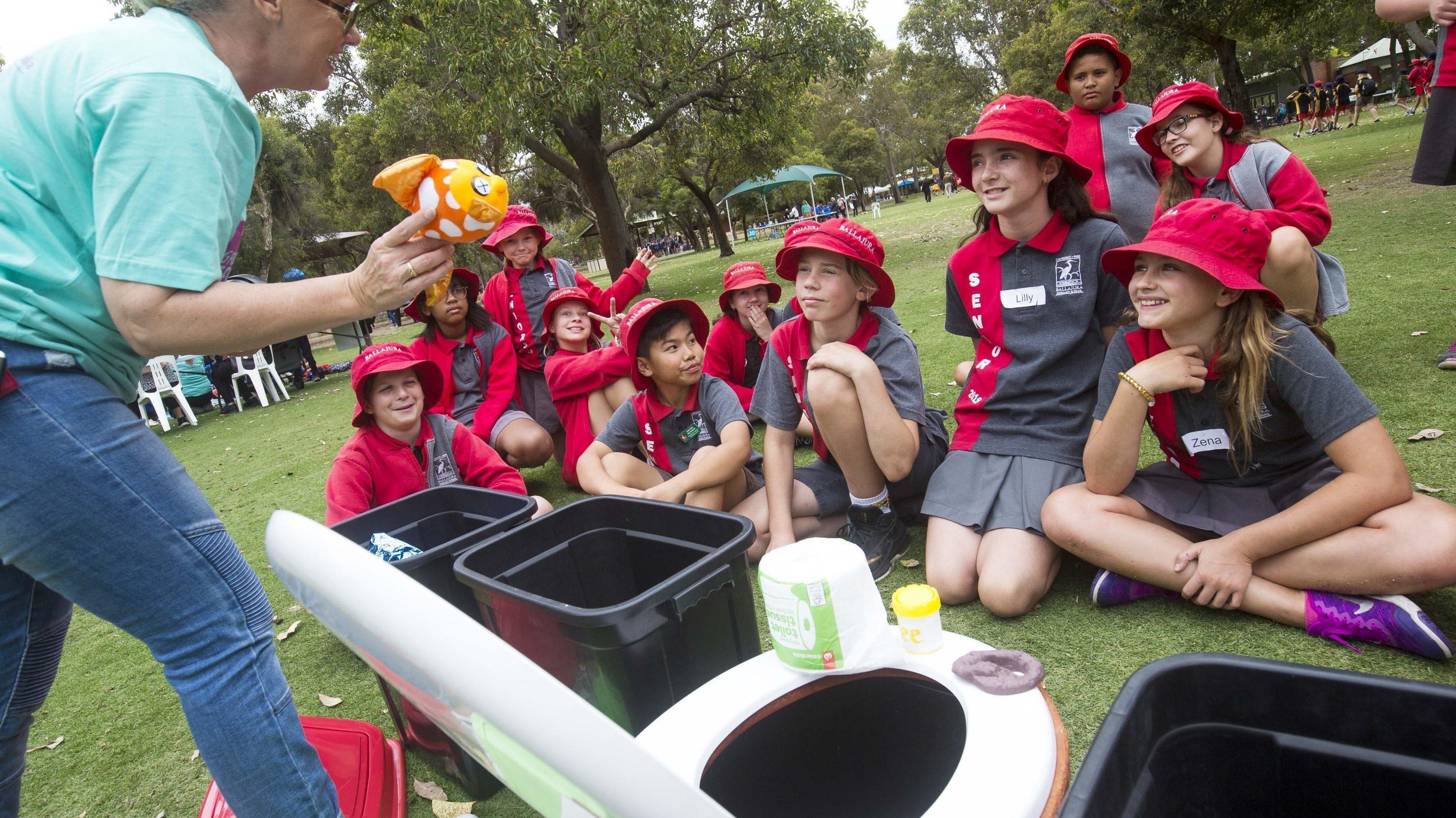
Flush It!
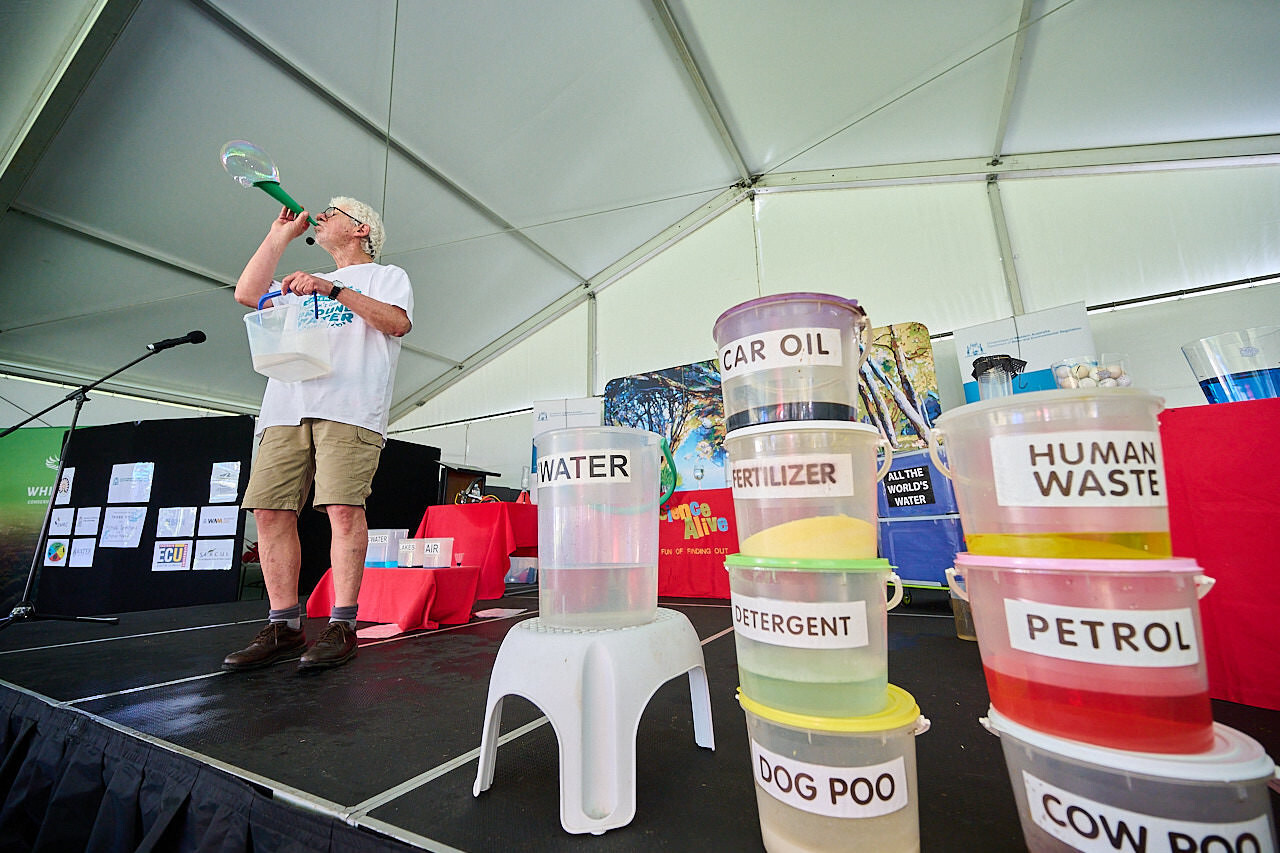
Introducing students to the “Three Ps” in an active race, this activity provides an understanding of what can, and can’t, be flushed down the toilet. Students will classify waste according to the appropriate method of disposal.
| Curriculum | Y4: Geography ACHASSK090 Y6: Science ACSHE09 |
| Stream | Water Conservation |
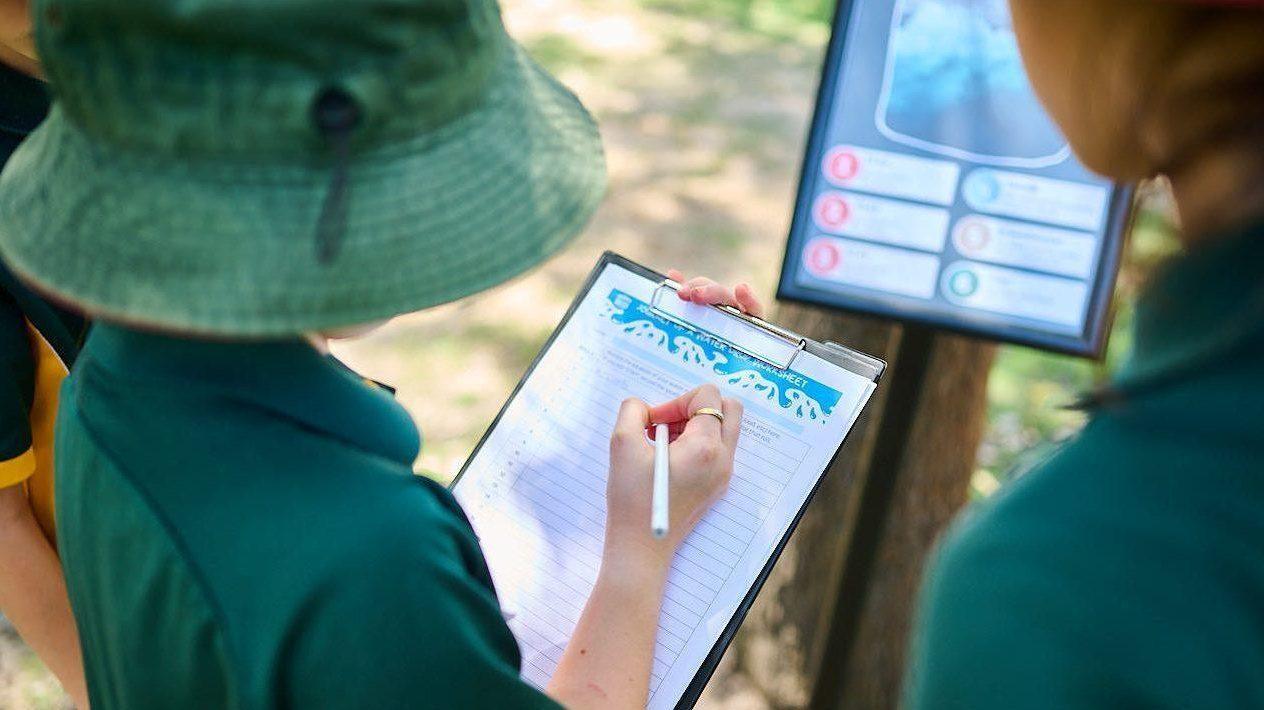
Water Ways
How many places can water travel and be stored during its journey through the water cycle? Students will chart the complex path water takes as they discover that new water cannot be created and how little is fresh water.
| Curriculum | Y4: Geography ACHASSK090 Y5: Science ACSSU077 |
| Stream | Water Conservation |
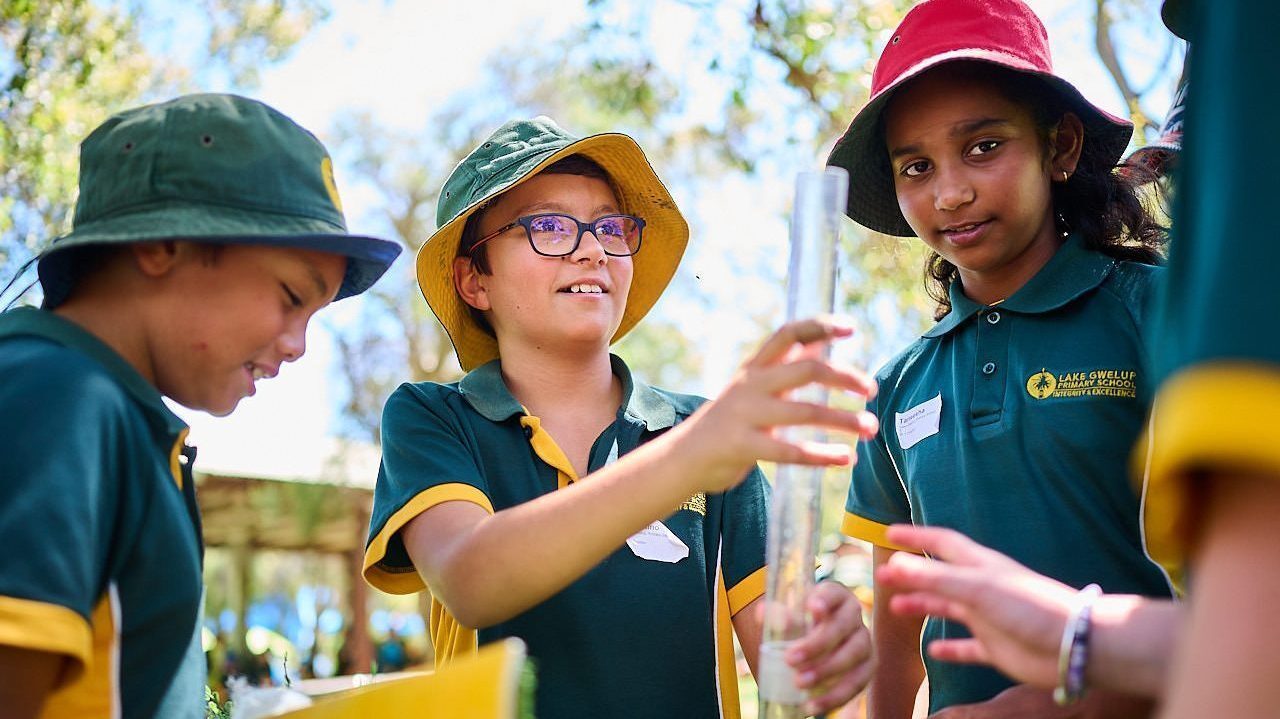
Wetland Wonders
What is a wetland? And why are they important? In this engaging and exploratory session, students will learn about wetlands and the role they play in keeping our rivers, lakes and oceans clean by becoming ‘turbidity’ detectives.
| Curriculum | Y4: Geography ACHASSK088 Y5: Geography ACHASSK113 |
| Stream | Water Quality |
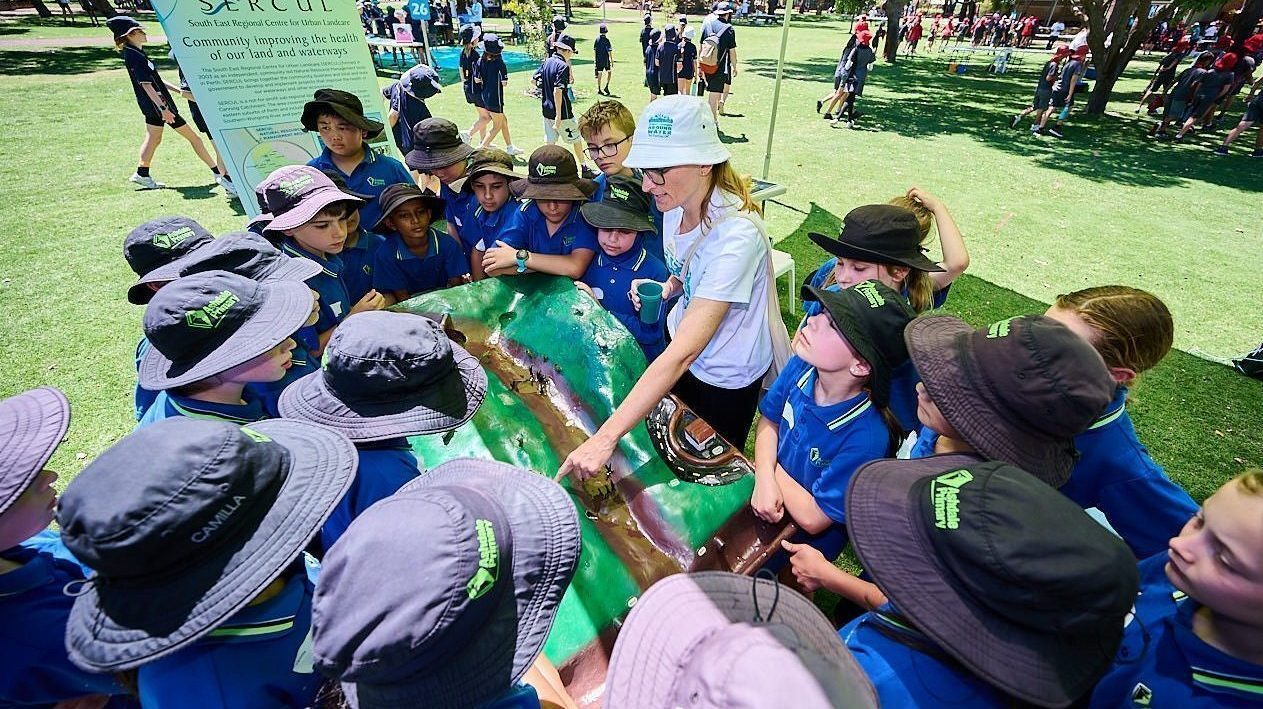
What's for Lunch?
Phosphorous is a key nutrient contributing to algal blooms in the Swan River. Students will discover how our daily activities contribute to the amount of phosphorous entering the river then, as they become part of an aquatic food chain, they will see first-hand how algal blooms affect the plants and animals that live there.
Delivered by South East Regional Centre for Urban Landcare.
| Curriculum | |
| Stream | Water Quality |
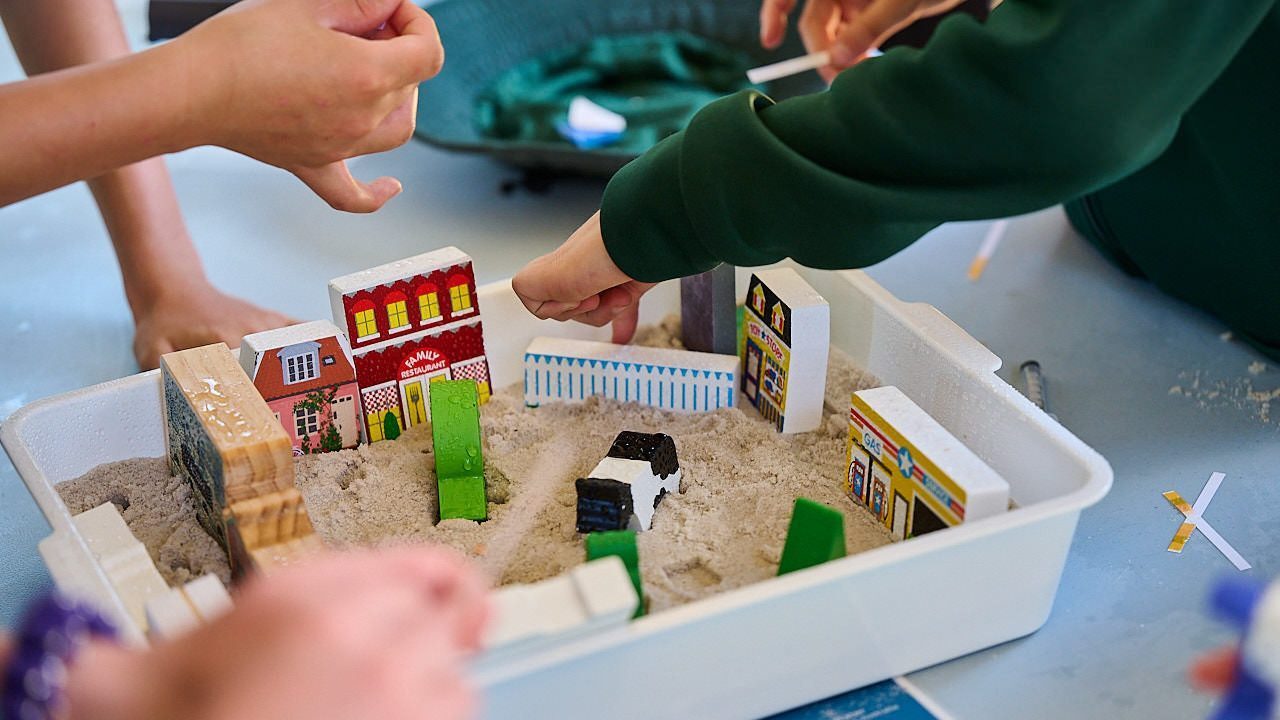
Danger in Our Town
Have your students got what it takes to become the town's ‘Contamination Busters’? In this problem-solving activity, students build their own model towns and discuss types of land uses that can cause pollution of groundwater before probing their models to determine the source of contamination of the community’s water supply.
| Curriculum | Y5: Geography ACHASSK112 Y6: Science ACSHE098 |
| Stream | Water Quality |
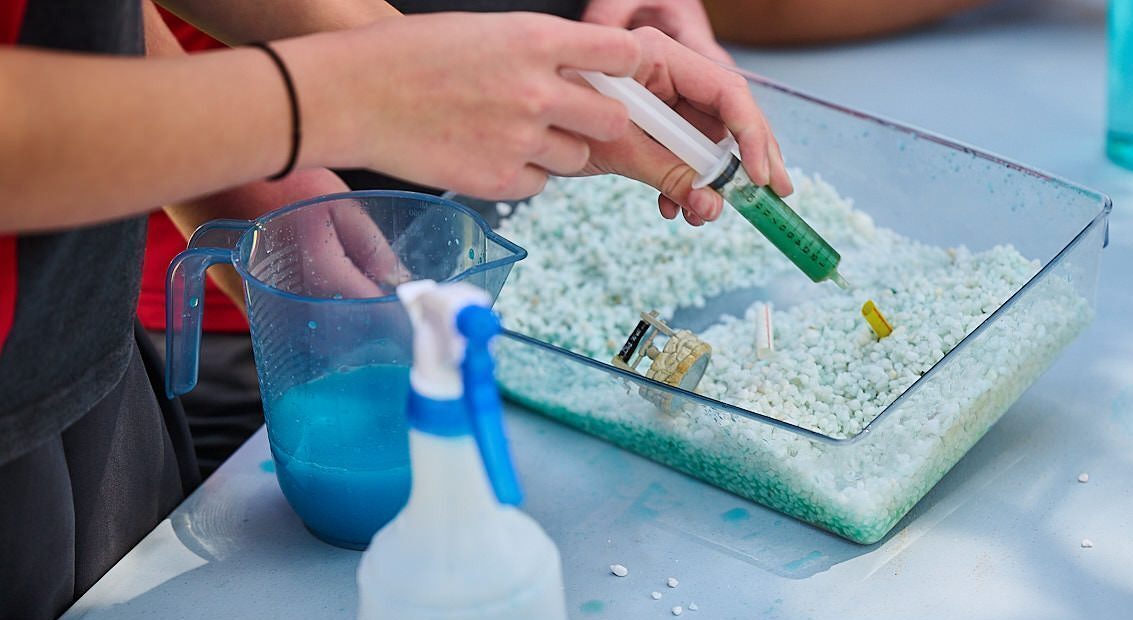
PollutiON, PollutiOFF
After constructing their own landscape, students will be able to see first-hand how human actions pollute an environment. They will observe how contamination can spread underground and experiment with ways to clean it up!
River Food Web
Phosphorous is a key nutrient contributing to algal blooms in the Swan River. Students will discover how our daily activities contribute to the amount of phosphorous entering the river then, as they become part of an aquatic food chain, they will see first-hand how algal blooms affect the plants and animals that live there.
Delivered by South East Regional Centre for Urban Landcare.
| Curriculum | Y4: Science ACSSU073, ACSHE061, ACSHE062 Y4: Geography ACHASSK088, ACHASSK090 Y5: Science ACSHE083 Y6: Science ACSSU094, ACSHE100 |
| Stream | Water Quality |
Waugal and Water Dreaming
Join Bel Cox for an authentic hands on Noongar Cultural experience where you will create your own bush art. Students will hear the ancient Noongar Dreamtime story of the Water and the Waugal, then feel it come alive through dance.
Presented by Djirrily Dreaming.
| Curriculum | Aboriginal and Torres Strait Islander Histories and Cultures (Country/Place, People) |
| Stream | Water Quality |
Wetland Wonders
What is a wetland? And why are they important? In this engaging and exploratory session, students will learn about wetlands and the role they play in keeping our rivers, lakes and oceans clean by becoming ‘turbidity’ detectives.
| Curriculum | Y4: Geography ACHASSK088 Y5: Geography ACHASSK113 |
| Stream | Water Quality |
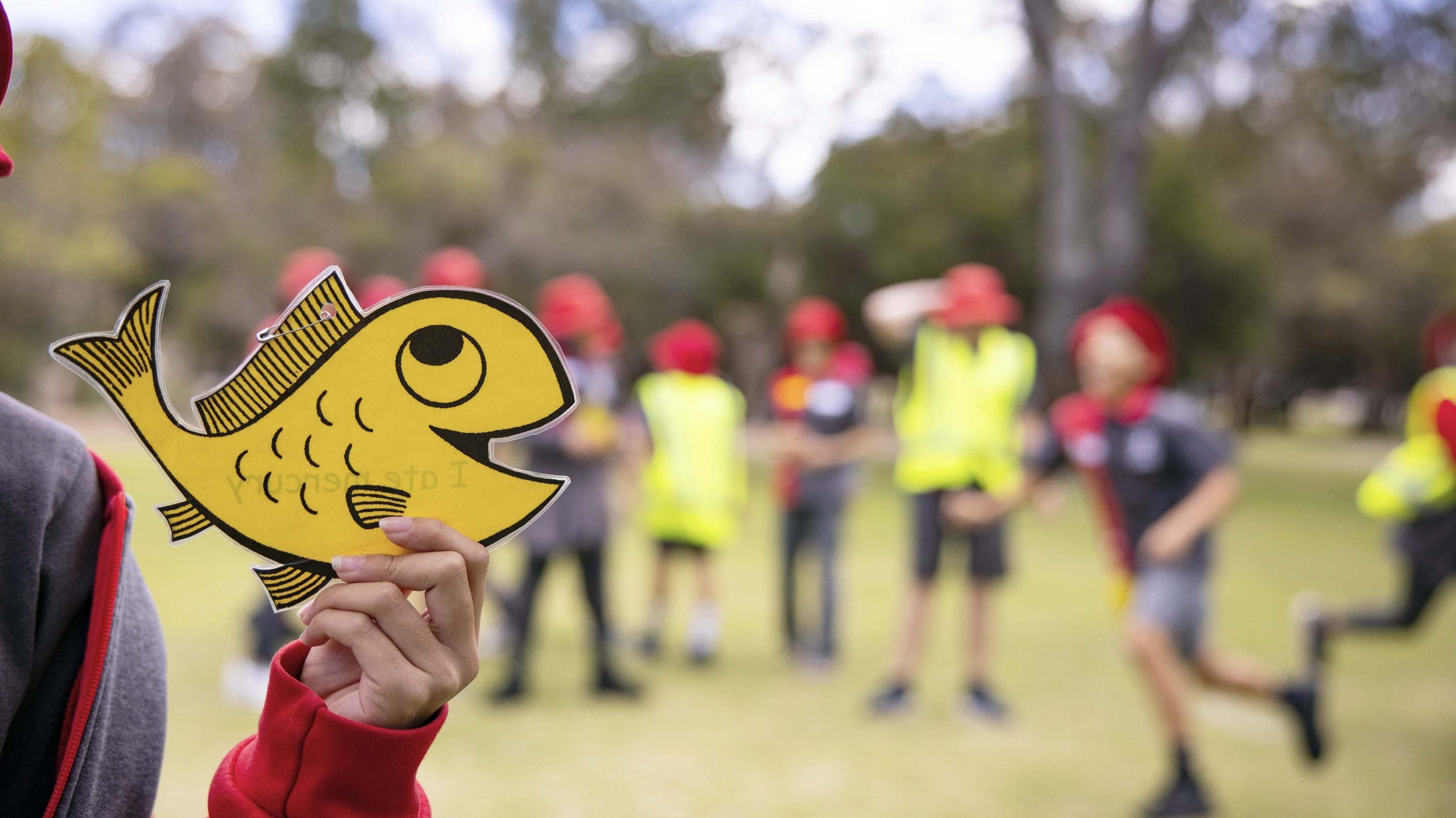
Food Chain Chase
In this active learning experience, students gain an understanding of how water pollution spreads and multiplies through the food chain and its effect on the natural world. Then they will discover some of the ways pollution enters our water sources and think about how we can stop it!
| Curriculum | Y4: Science ACSSU073 Y6: Science ACSSU094 |
| Stream | Water and Wildlife |
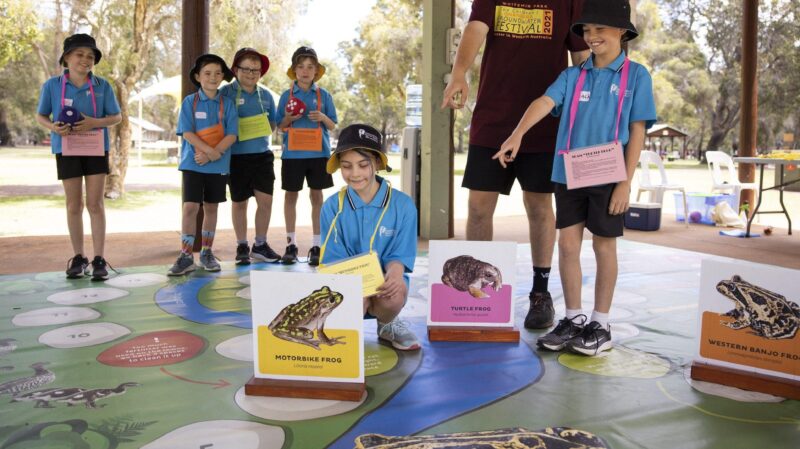
Frog-o-logic
Frogs know all about water quality, and your students will too! In this giant board game, our froggy teams will compete to see who knows the most about frogs, conservation and groundwater. The winners go home with a chocolate frog, and everyone goes home understanding how all living things depend on a healthy ecosystem to survive.
| Curriculum | Y4: Geography ACHASSK088, Science ACSSU073 Y5: Geography ACHASSK112, Science ACSSU043 Y6: Science ACSSU094 |
| Stream | Water and Wildlife |
Go Fish!
Presented by the Department of Primary and Regional Industry Fisheries Education team.
| Curriculum | Y4: Geography ACHASSK090 |
| Stream | Water and Wildlife |
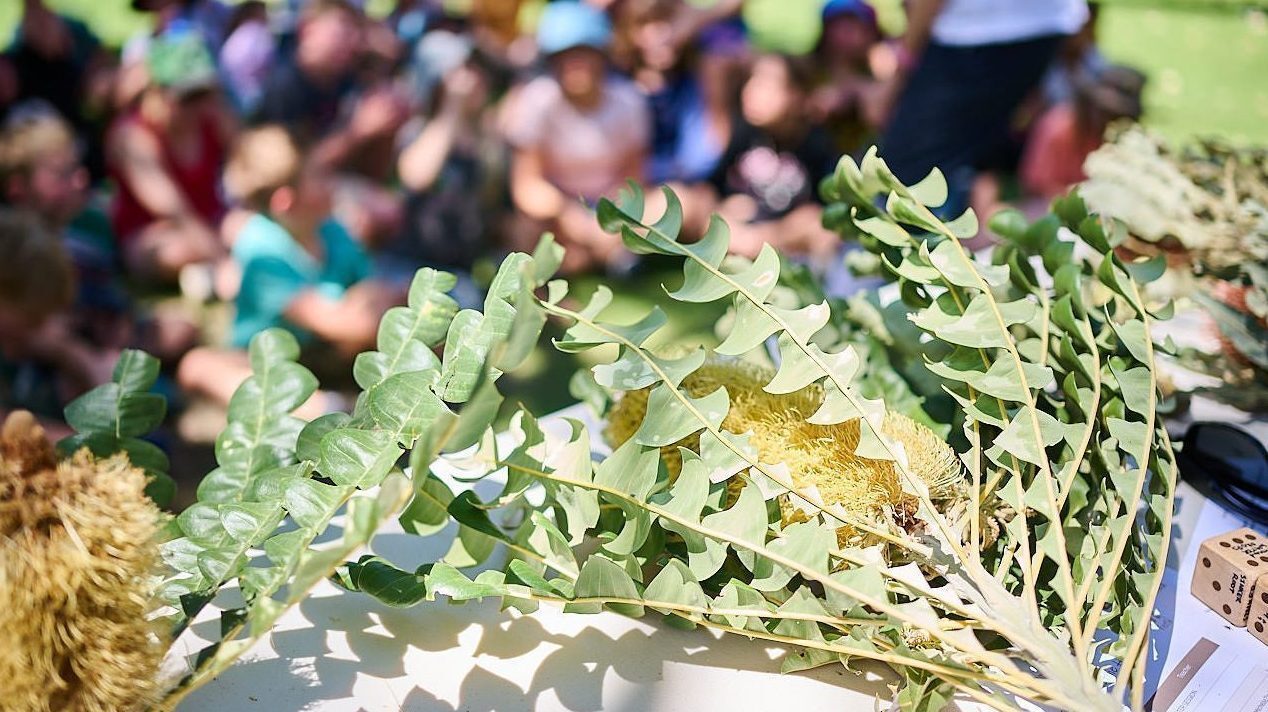
Root Pursuit
Can your banksia reach the groundwater before summer? Learning about our local banksia woodlands and how they are dependent on groundwater, they will explore the impact of dropping groundwater levels as they race their roots to water before its too late!
| Curriculum | Y4: Geography ACHASSK088 Y5: Geography ACHASSK113 Y6: Science ACSSU094, ACSSU096 |
| Stream | Wildlife and Water |
Wildlife Detectives
Students will use their detective skills to help us find evidence of our Endangered black cockatoos. In doing so, they'll learn the importance of water in ensuring the survival of these unique species.
Presented by Perth NRM through the Carnaby's Cockatoo project.
| Curriculum | Y4: Science ACSSU073, ACSHE062 Y4: Geography ACHASSK088 Y5: Science ACSHE083 Y6: Science ACSSU094, ACSHE100 |
| Stream | Water and Wildlife |
Carnaby’s Cockatoo are a flagship species for Perth NRM as they work to restore and connect essential habitat. This work forms part of the ‘Building Resilient Landscapes in the Swan Region’, Carnaby’s Cockatoo project funded by the Australian Government Natural Heritage Trust and delivered by Perth Natural Resource Management, a member of the Commonwealth Regional Delivery Partners panel.
Pictured: A Cockitrough at Whiteman Park
Would You Like Salt With That?
Students explore the impact of forest clearance on our land, water cycle and water quality. By tasting increasingly salty liquorice, they discover first-hand the effect that increased levels of salinity have on our native vegetation and how it is caused.
| Curriculum | Y5: Geography ACHASSK112 Y6: Science ACSSU094 |
| Stream | Water Quality |